Desert Bloom: Using Floral Cactus Clipart in Sublimation
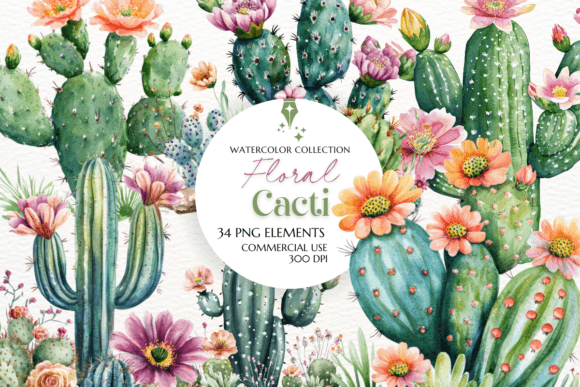
The American Southwest aesthetic has long captivated designers, but the recent surge in "desert boho" styles has moved beyond simple silhouettes. We are seeing a demand for softer, more organic interpretations of the arid landscape. This is where Floral Cactus Clipart shines. Unlike rigid vector graphics, these assets typically feature a watercolor texture that mimics the fluidity of real ink on paper. The visual personality of these sets is defined by the juxtaposition of the prickly, structural nature of the cactus and the delicate, ephemeral beauty of vibrant blossoms.
For the modern creative, the appeal lies in the versatility of the texture. A high-quality Floral Cactus Clipart Sublimation set isn't just a picture of a plant; it is a collection of design assets that provide depth. When you look at these illustrations, you notice the granulation of the pigment, the slight bleeds where the flower petal meets the green stem, and the layering of colors that gives the subject a three-dimensional feel. This style bridges the gap between the rustic charm of a farmhouse aesthetic and the clean, airy look of modern graphic design. It avoids the sterility of flat design while remaining cleaner than chaotic mixed-media art.
Strategic Applications: From Branding to Packaging
Understanding where to deploy these assets is crucial for maximizing their impact. While they are immediately recognizable in the crafting space, their utility extends far into professional brand identity and commercial projects. If you are working with a client in the hospitality, wellness, or lifestyle sectors, a floral cactus motif can communicate resilience and natural beauty simultaneously.
In logo design, these elements should be used with caution and strategy. Because of their detailed, painted nature, they function best as secondary brand marks or patterns rather than the primary logotype. For example, a boutique hotel in Arizona might use a sans-serif wordmark for the main logo but utilize the Floral Cactus Clipart for watermarks on stationery, patterns on room key cards, and social media headers. This ensures the brand feels established and professional while still possessing that unique, local flair.
When it comes to packaging design, the sublimation quality of these files is a game-changer. Sublimation printing allows for full-coverage, photographic-quality transfers onto materials like ceramic, fabric, and coated metals. Imagine a line of artisanal soaps or candles. Wrapping the packaging in a seamless pattern derived from these cacti creates a shelf presence that is impossible to ignore. The colors are often vibrant enough to stand out, yet soft enough to feel premium. This application works exceptionally well for small business owners looking to elevate their product presentation without investing in complex custom illustration.
Digital Realms: Web Design and Social Media
The digital landscape often favors clean lines, but the human eye craves texture. Integrating Floral Cactus Clipart into web design can break up the monotony of standard stock photography. Consider using a large, high-resolution cactus illustration as a hero image background on a landing page, paired with a clean sans serif font for the body copy. The contrast between the organic, irregular shape of the plant and the geometric precision of modern typography creates a sophisticated visual hierarchy.
For social media graphics, consistency is key. These clipart sets allow you to create a cohesive visual library. You can extract individual flowers to use as decorative bullet points in Instagram carousels or use the full cactus arrangements as frames for quote posts. Because the style is inherently "warm," it tends to perform well for engagement-heavy content, such as giveaways or lifestyle tips. The imagery feels approachable and handmade, which humanizes a brand in an era of overly polished, algorithmic content.
Editorial and Publishing Nuances
If you are involved in editorial design or publishing, the application of this style requires a thoughtful approach to layout. These illustrations are dense with detail. If placed too close to body text, they can create visual noise that hinders readability. However, when used as chapter openers, full-page bleeds, or sidebar decorations in a magazine or e-book, they add immense value.
For a travel blog or a digital magazine focusing on lifestyle, using Floral Cactus Clipart as spot illustrations can guide the reader's eye down the page. It acts as a visual palate cleanser. It is also worth noting the versatility in color grading. Many high-end sets come with variations or are easily editable. You can desaturate the images for a vintage, muted look that pairs well with serif fonts for a classic editorial feel, or keep them vibrant for a modern, youthful publication using script fonts and bold sans-serifs.
Practical Execution: Pairing and Production
Successful design is often about the relationship between elements. When using Floral Cactus Clipart Sublimation files, your typography choices will dictate the final mood. Because the clipart is organic and illustrative, it pairs best with typefaces that offer a distinct contrast.
Avoid pairing these illustrations with highly decorative display fonts or handwritten fonts that are too complex, as the two will compete for attention. Instead, look for a sturdy, geometric sans serif font for headings to ground the airy nature of the watercolor art. For body text, a classic, readable serif font often works best, adding a touch of traditional elegance to the casual nature of the cactus motif. This balance ensures your brand identity remains legible and professional.
From a production standpoint, always verify the resolution of your design assets. For sublimation and print, you need high DPI (dots per inch) files to prevent pixelation. Ensure your workflow supports transparency so the watercolor edges blend seamlessly into your background color or texture. Whether you are applying this to a t-shirt, a mug, or a digital banner, the "cut-out" look should be invisible. The goal is to make the cactus feel like it was painted directly onto the substrate.
Ultimately, the Floral Cactus Clipart Sublimation trend is not just about following a fad; it is about utilizing a versatile, emotive visual language. It speaks of resilience, nature, and artistic craftsmanship. By applying these assets thoughtfully across your digital and physical touchpoints, you create an experience that resonates with audiences looking for authenticity in a synthetic world.